Sources
| Source | ID | Link |
|---|---|---|
| GoodReads | 874444 | https://www.goodreads.com/book/show/874444 |
| Amazon |
Description
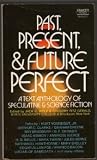
Until recently, speculative fiction was viewed as popular entertainment and was long denied the mantle of literary respectability. The insistence of characterization as the major criterion of literary judgement contributed to this appraisal. Whereas "mainstream" fiction concerns itself with characterization, speculative fiction emphasizes ideas. Yet the ideas in speculative fiction cannot exist without characters any more than characters in traditional fiction can exist in a vacuum. With the recognition that the differences between speculative and mainstream fiction were more of emphasis than of kind, the barriers that long divided the two are being dismantled and speculative fiction is experiencing critical acceptance as a legitimate literary form.
The selections included in Past, Present, & Future illustrate the continuous vision of speculative writing from its classical precursors to its contemporary practitioners.
Contents:
Preface (Past, Present, and Future Perfect), by Jack C. Wolf and Gregory Fitz Gerald
Introduction (Past, Present, and Future Perfect), by Jack C. Wolf and Gregory Fitz Gerald
Welcome to the Monkey House (1968), by Kurt Vonnegut, Jr.
The Sentinel (1951), by Arthur C. Clarke
A Discovery in the Woods (1963), by Graham Greene
The Veldt (1950), by Ray Bradbury
Judas (1967), by John Brunner
Eutopia (1967), by Poul Anderson
The Morning of the Day They Did It (1950), by E. B. White
from Walden Two, by B. F. Skinner
The Immortal Fish (1957), by Elizabeth Mann Borgese
Year Nine • (1946), by Cyril Connolly
The Feeling of Power (1958), by Isaac Asimov
New Folks' Home (1963), by Clifford D. Simak
from The Poison Belt, by Arthur Conan Doyle
The Ingenious Patriot (1891), by Ambrose Bierce
The Star (1897), by H. G. Wells
from A Connecticut Yankee in King Arthur's Court, by Mark Twain
from Looking Backward, by Edward Bellamy
from Twenty Thousand Leagues Under the Sea, by Jules Verne
from Erewhon, or Over the Range, by Samuel Butler
The Balloon-Hoax (1844), by Edgar Allan Poe
The Birthmark (1843), by Nathaniel Hawthorne
from The Last Man, by Mary Shelley
from Frankenstein, or The Modern Prometheus, by Mary Shelley
from Gulliver's Travels, by Jonathan Swift
Micromégas (1752), by Voltaire (trans. of Micromégas)
from A Voyage to the Moon, by Cyrano de Bergerac
from The New Atlantis, by Francis Bacon
from The City of the Sun, by Tommaso Campanella
from Utopia, by Sir Thomas More
from A True History (1965), by Lucian of Samosata
from Critias, or The Island of Atlantis, by Plato
The selections included in Past, Present, & Future illustrate the continuous vision of speculative writing from its classical precursors to its contemporary practitioners.
Contents:
Preface (Past, Present, and Future Perfect), by Jack C. Wolf and Gregory Fitz Gerald
Introduction (Past, Present, and Future Perfect), by Jack C. Wolf and Gregory Fitz Gerald
Welcome to the Monkey House (1968), by Kurt Vonnegut, Jr.
The Sentinel (1951), by Arthur C. Clarke
A Discovery in the Woods (1963), by Graham Greene
The Veldt (1950), by Ray Bradbury
Judas (1967), by John Brunner
Eutopia (1967), by Poul Anderson
The Morning of the Day They Did It (1950), by E. B. White
from Walden Two, by B. F. Skinner
The Immortal Fish (1957), by Elizabeth Mann Borgese
Year Nine • (1946), by Cyril Connolly
The Feeling of Power (1958), by Isaac Asimov
New Folks' Home (1963), by Clifford D. Simak
from The Poison Belt, by Arthur Conan Doyle
The Ingenious Patriot (1891), by Ambrose Bierce
The Star (1897), by H. G. Wells
from A Connecticut Yankee in King Arthur's Court, by Mark Twain
from Looking Backward, by Edward Bellamy
from Twenty Thousand Leagues Under the Sea, by Jules Verne
from Erewhon, or Over the Range, by Samuel Butler
The Balloon-Hoax (1844), by Edgar Allan Poe
The Birthmark (1843), by Nathaniel Hawthorne
from The Last Man, by Mary Shelley
from Frankenstein, or The Modern Prometheus, by Mary Shelley
from Gulliver's Travels, by Jonathan Swift
Micromégas (1752), by Voltaire (trans. of Micromégas)
from A Voyage to the Moon, by Cyrano de Bergerac
from The New Atlantis, by Francis Bacon
from The City of the Sun, by Tommaso Campanella
from Utopia, by Sir Thomas More
from A True History (1965), by Lucian of Samosata
from Critias, or The Island of Atlantis, by Plato